A monthly budget is a practical plan for deciding where your money should go before you spend it. It does not have to be restrictive, complicated, or based on a perfect income. A useful budget gives you a clear view of your resources, helps you prioritize important goals, and makes it easier to respond to unexpected changes. The best budget is one you can review regularly and adjust when your circumstances change.
Start With Your Real Income
Begin by listing the income you can reasonably expect during the month. Include wages, freelance payments, benefits, rental income, or other dependable sources. If your income changes, use a conservative estimate based on a lower typical month instead of your best month. This reduces the chance of planning expenses around money that may not arrive.
Use income after taxes and required deductions. If you receive payments at different times, record the expected date as well as the amount. A cash-flow calendar can help you see whether your account will have enough money when each bill is due.
List Essential Expenses First
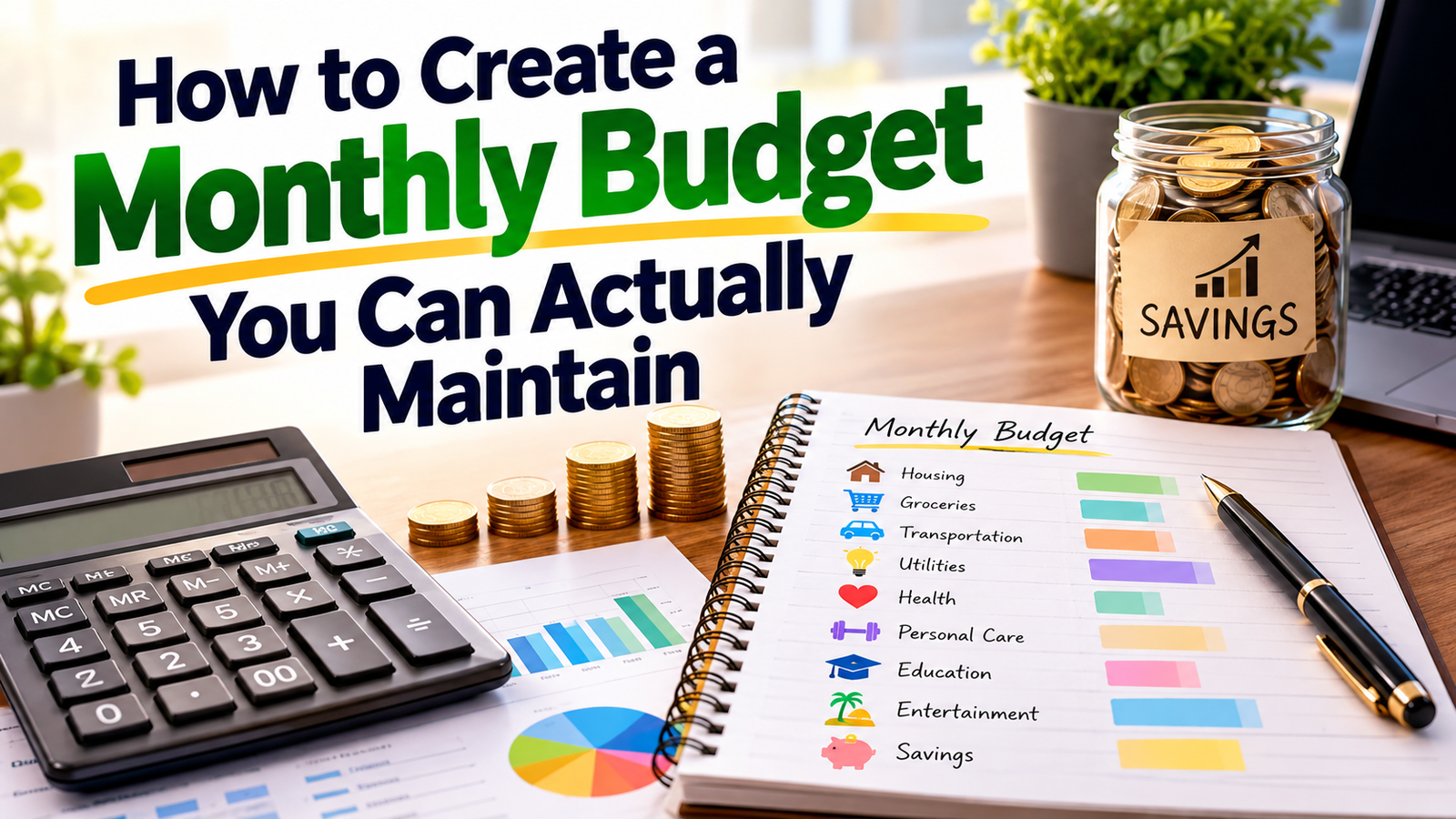
Next, write down expenses that protect your basic needs and obligations. These may include housing, utilities, groceries, transportation, insurance, medication, childcare, education, and minimum debt payments. Some costs are fixed, while others vary from month to month. Use recent statements and bills so your estimates reflect reality.
Essential does not mean every expense you currently pay. Ask whether the cost is necessary for health, safety, housing, work, or a legal obligation. Be honest without being unrealistic. A budget that excludes important costs will fail when those costs appear.
Separate Fixed and Variable Costs
Fixed expenses usually remain similar each month, such as rent or a subscription contract. Variable expenses change based on use or circumstances, such as food, fuel, electricity, and household supplies. Separating them makes it easier to identify expenses you can adjust when income is lower.
Do not assume that variable expenses are completely flexible. Groceries and transportation may change, but they cannot normally be eliminated. Set reasonable ranges rather than unrealistic targets. A budget should guide decisions, not create impossible standards.
Plan for Irregular Bills
Many financial problems happen because annual or occasional bills are treated as surprises. Review the previous year and identify insurance payments, school costs, maintenance, gifts, taxes, memberships, and other expenses that happen less frequently. Add the expected annual cost and divide it by twelve.
Save that monthly amount in a separate category or account. For example, an annual cost of $1,200 requires approximately $100 per month. This approach, sometimes called a sinking fund, turns a large future payment into a series of smaller planned contributions.
Choose a Flexible Framework
You can use a percentage-based method, a zero-based budget, or a simple spending plan. A percentage framework assigns broad portions of income to needs, goals, and personal spending. A zero-based budget assigns every dollar a purpose, including saving and debt payments. A simple plan may use only a few categories.
No method is automatically best. Choose the one you will understand and maintain. If detailed tracking makes you quit after a week, use fewer categories. If irregular spending causes problems, more detail may help. The system should match your personality and the complexity of your finances.
Include Savings in the Budget
Savings should be planned before the month begins rather than treated as whatever remains at the end. Set a realistic amount for an emergency fund, a planned purchase, retirement, education, or another goal. Start small if necessary and increase the amount when your income rises or a debt is paid off.
Automated transfers can make saving easier. Schedule them after income arrives, while leaving enough money for bills and daily needs. Keep short-term emergency savings accessible and separate from money intended for long-term investing.
Handle Debt Carefully
List each debt with its balance, interest rate, minimum payment, and due date. Always include minimum payments in the budget. After covering essential bills and a small cash reserve, consider directing extra money toward high-interest debt or another strategy that fits your goals.
Avoid promising an aggressive repayment amount that leaves no room for food, transportation, or unexpected costs. A small buffer can prevent a minor repair from becoming new credit card debt. If payments are difficult, contact the lender before missing a deadline and review the available options.
Give Yourself Reasonable Personal Spending
A budget that allows no enjoyment is difficult to maintain. Include a reasonable amount for entertainment, hobbies, meals out, or other personal choices. The amount should fit your income and priorities, but it does not need to be zero.
Planned personal spending can reduce guilt and make the rest of the plan easier to follow. When the category is used up, pause or adjust another flexible category rather than relying automatically on credit. The goal is conscious choice, not punishment.
Track Spending During the Month
A budget is a plan, not a report you check only after money is gone. Track purchases through a spreadsheet, banking app, notebook, or budgeting tool. Update the plan when a bill changes or an unexpected expense appears.
Review your spending once or twice a week. Look for patterns rather than judging individual purchases. If groceries are consistently higher than expected, update the category and look for adjustments elsewhere. Accurate information is more useful than a plan that looks perfect but does not match your life.
Use a Weekly Check-In
Set aside ten to fifteen minutes each week for a financial check-in. Confirm your account balance, upcoming bills, recent transactions, and progress toward goals. This short routine can reveal problems while there is still time to respond.
Ask three questions: What has changed? What must be paid before the next income arrives? What decision would make the rest of the month easier? These questions keep the budget practical and connected to current reality.
Adjust Without Abandoning the Plan
Unexpected expenses do not mean the budget failed. Move money from lower-priority categories, delay a planned purchase, or reduce optional spending temporarily. The important step is to make the adjustment intentionally instead of ignoring the problem.
If income falls, protect housing, food, utilities, transportation, insurance, and essential healthcare first. Pause or reduce optional goals temporarily if needed. If income increases, avoid immediately increasing every expense. Direct part of the increase toward savings, debt reduction, or a planned goal.
Avoid Common Budgeting Mistakes
One common mistake is forgetting small recurring charges. Review bank statements for subscriptions, service fees, delivery costs, and automatic renewals. Another is using credit cards as if they were additional income. Credit can be useful when managed carefully, but borrowed money must eventually be repaid.
Do not compare your budget to someone elses. Housing costs, family responsibilities, transportation needs, and income vary widely. Avoid financial products or strategies that promise guaranteed wealth or demand money before providing clear information. A sound budget is based on understandable numbers and realistic decisions.
Review Your Budget Every Month
At the end of each month, compare your plan with what actually happened. Identify categories that were accurate, categories that were too low, and expenses that should be moved into a planned annual fund. Use the results to create the next months budget.
Review the plan whenever you change jobs, move, add a dependent, take on a loan, or experience a major income change. A budget is not a permanent contract. It is a living tool that should develop with your financial life.
Conclusion
A maintainable monthly budget begins with realistic income, essential expenses, irregular bills, savings, debt payments, and a reasonable amount of personal spending. Track your progress, review the plan regularly, and adjust it when circumstances change. You do not need a complicated spreadsheet or a perfect month to make progress.
The purpose of budgeting is to give your money direction and give you better information for everyday decisions. Start with a simple version, improve it through experience, and focus on consistency. Over time, a clear budget can help you build savings, reduce financial stress, and make progress toward the goals that matter to you.