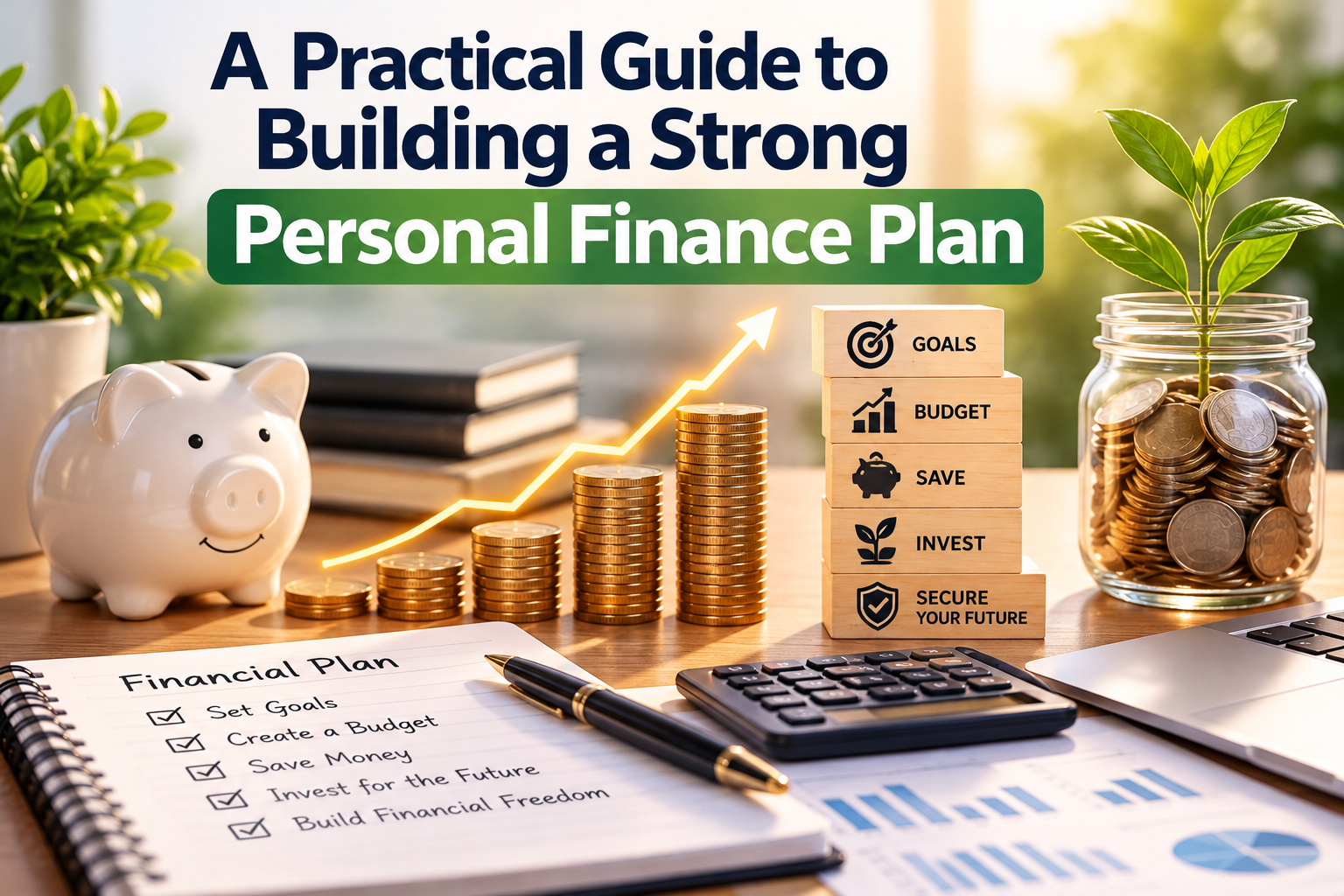

Building a healthier financial life does not require perfect timing, complicated products, or promises of overnight success. It starts with everyday decisions that make your money easier to understand and your future easier to plan. By creating useful habits, you can improve your ability to handle expenses, prepare for uncertainty, and work toward meaningful goals at a pace that fits your circumstances.
This article provides general educational information and is not personal financial, tax, legal, or investment advice. Rules, costs, and available products differ by location and individual situation. Before making an important decision, review official information and consider speaking with a qualified professional.
Know What Comes In and Goes Out
The first smart money habit is paying attention to your cash flow. Cash flow is the money entering your household compared with the money leaving it during a specific period. Write down your regular income, occasional income, fixed bills, flexible spending, debt payments, savings contributions, and irregular costs. Use bank statements, receipts, and account notifications so that your plan is based on real information rather than memory.
Look for patterns instead of criticizing individual purchases. A single coffee is rarely the reason a budget feels difficult, but several small recurring charges can add up. Similarly, an annual bill may seem unexpected only because it was not included in a monthly plan. Understanding patterns helps you make deliberate changes while keeping spending that genuinely matters to you.
Create a Flexible Monthly Plan
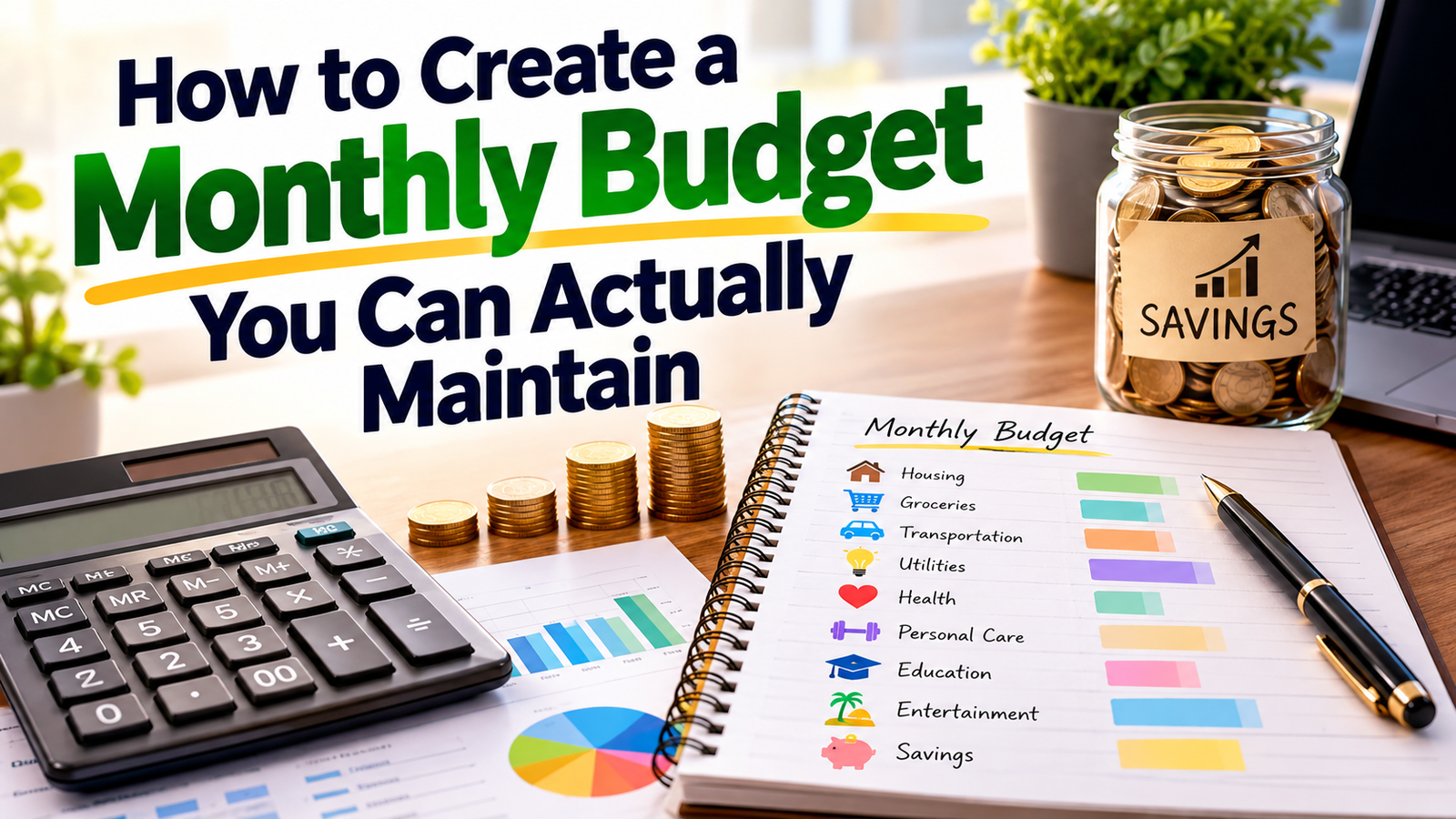
A useful budget is a decision-making tool, not a punishment. Start by listing essential expenses such as housing, food, utilities, transportation, healthcare, insurance, and required debt payments. Then identify flexible categories and future priorities. Give each category a reasonable amount, review the total against your income, and adjust before the month begins.
Leave room for variation. Grocery costs, fuel, medical needs, and social activities may change from month to month. A small buffer can prevent an ordinary difference from becoming a financial crisis. If you have variable income, use a conservative estimate for essential commitments and treat unusually high income as an opportunity to strengthen savings, cover upcoming expenses, or reduce expensive debt.
Use Separate Savings Goals
Saving is easier when each amount has a clear purpose. An emergency fund can support essential expenses after an unexpected event. A sinking fund can prepare for predictable costs such as insurance, school supplies, home maintenance, travel, or annual fees. A long-term account can support goals such as education or retirement, depending on your time horizon and local options.
Separate labels do not always require separate accounts. You can use a spreadsheet, budgeting application, or account categories. The important point is to know what each amount is intended to cover. Set a small first target so that saving feels achievable. Then increase contributions when your income rises, a bill ends, or you identify a recurring expense that can be reduced.
Make Emergency Savings a Priority
An emergency reserve provides financial breathing room when life does not follow the plan. It may help with an urgent repair, medical expense, temporary loss of income, or necessary travel. Begin with an amount that could handle one realistic problem, then build gradually toward a larger reserve based on your essential monthly costs and household situation.
Emergency money should be kept in a safe and accessible place with clear terms. It is not money for speculative opportunities or purchases that can wait. Review the balance after using it and make rebuilding the reserve part of your next financial plan. Even small, consistent contributions can create a stronger cushion over time.
Understand the Full Cost of Borrowing
Borrowing can be useful for certain needs, but every loan has a cost. Before accepting credit, review the interest rate, fees, repayment schedule, total amount repayable, late-payment consequences, and conditions for changing the payment. Do not judge an offer only by its monthly amount. A low payment may extend the repayment period or result in more interest overall.
List your current debts in one place and make required payments by their due dates. After covering minimums, choose a repayment priority. Some people focus on the debt with the highest interest rate to potentially reduce interest costs. Others begin with the smallest balance to create visible progress. Choose a method you can follow and avoid taking on new high-cost debt for optional spending.
Automate the Habits You Want to Keep
Automation can make good intentions more consistent. You may schedule a transfer to savings after payday, set reminders for bills, or arrange automatic payments where the account balance is reliable. Automation reduces the chance that an important task will be forgotten, but it does not replace regular reviews. Check transactions, balances, fees, and payment dates so that an automated system remains accurate.
Start with a manageable amount. If an automatic transfer regularly causes an overdraft or forces you to borrow, reduce it and revise your plan. The best system is sustainable. As your circumstances improve, increase the amount gradually rather than creating a plan that works only during an unusually good month.
Protect Yourself From Financial Scams
Financial safety includes protecting personal information. Use unique passwords and multi-factor authentication for important accounts. Turn on transaction alerts and review statements regularly. Be cautious when a message creates urgency, promises guaranteed profits, requests a one-time security code, or asks you to send money through an unusual method.
Do not rely on a logo, caller identification, or a link in an unsolicited message to prove that a request is genuine. Contact the institution through an official website, application, or statement and verify the request independently. Legitimate opportunities should allow time for research and should explain costs and risks clearly. If you suspect fraud, document what happened and contact the relevant financial institution or official authority in your area.
Learn Before Choosing Investments
Investing is different from saving. Savings are generally intended for safety and near-term access, while investments may fluctuate in value and are usually considered for longer time horizons. Before investing, identify the goal, expected timeframe, acceptable level of loss, fees, taxes, and withdrawal rules. Money needed for rent, bills, or an emergency should not be exposed to avoidable market uncertainty.
Diversification can reduce the impact of poor performance from a single investment, but it cannot eliminate risk. Avoid decisions based on pressure, rumors, celebrity recommendations, or claims that an asset cannot lose value. Read official documents, understand what you are buying, and verify that providers and professionals meet applicable requirements in your jurisdiction. Past results are not a guarantee of future performance.
Spend Intentionally
Mindful spending does not mean avoiding every enjoyable purchase. It means deciding which expenses provide genuine value and which happen mainly from habit, pressure, or convenience. Before a larger purchase, wait if possible, compare the total cost, check return conditions, and consider how the item affects your other goals. A short pause can help separate a useful decision from an impulse.
Try a review of recurring expenses twice a year. Check subscriptions, memberships, insurance, communication services, and other regular charges. Cancel services you no longer use and compare available terms without sacrificing necessary protection. Redirecting a small monthly amount toward a goal can have greater long-term value than spending it automatically.
Plan for Career and Income Changes
Income stability is an important part of financial planning. Keep your résumé, professional profile, and skills current even when your job feels secure. Consider training that supports realistic opportunities in your field. If you earn money from freelance or contract work, track income and expenses carefully and learn about applicable tax obligations.
When income increases, avoid immediately turning every raise into a permanent expense. Allocate part of the increase to emergency savings, debt reduction, retirement, education, or another important goal. This allows your financial position to improve while still leaving room to enjoy some of the additional income. When income decreases, review optional expenses first and protect essential bills, insurance, and communication with creditors.
Set Goals You Can Measure
A general wish becomes easier to act on when it has an amount and a date. Instead of saying that you want to save more, choose a target and calculate a regular contribution. For example, identify the cost of an upcoming expense, the number of months available, and the amount required from each paycheck. If the amount is too high, adjust the date, reduce the target, increase income, or combine several approaches.
Review progress without expecting a straight line. Unexpected costs may require you to pause a goal temporarily. That is not failure; it is information. Update the plan, continue with the next practical step, and avoid abandoning the entire system because one month was difficult.
Review Your Financial System
Set aside time each month to compare planned spending with actual results. Check upcoming bills, account balances, savings goals, debt progress, and unusual transactions. Once or twice a year, review insurance, beneficiaries, important documents, subscriptions, and longer-term priorities. Major life events such as moving, changing jobs, marriage, separation, having a child, or experiencing a health change may require a deeper review.
Keep important records organized and protect digital copies appropriately. Know where to find account information, policy documents, tax records, and contact details. A clear system can make stressful situations easier to manage and can help trusted family members understand what to do if you are temporarily unavailable.
Build Confidence Through Consistency
Financial confidence does not come from knowing every technical term. It grows when you understand your choices, ask questions, recognize risks, and follow a process that matches your life. You can begin by recording this month’s expenses, opening a dedicated savings category, reviewing one debt, or turning on account alerts.
Choose one action that is small enough to complete and important enough to matter. After it becomes familiar, add another habit. Over time, simple decisions can create better visibility, more resilience, and greater freedom to respond to opportunities and challenges. The goal is not perfection. The goal is a financial system that helps you make informed choices repeatedly.
Conclusion
Smart money management combines awareness, preparation, protection, and patience. Track your cash flow, create a flexible plan, save for emergencies and predictable costs, understand borrowing, protect your accounts, learn before investing, and review your goals regularly. No single habit guarantees a particular result, but consistent habits can make financial decisions clearer and reduce avoidable surprises. Start with one practical improvement today, measure what happens, and let your system develop over time.