
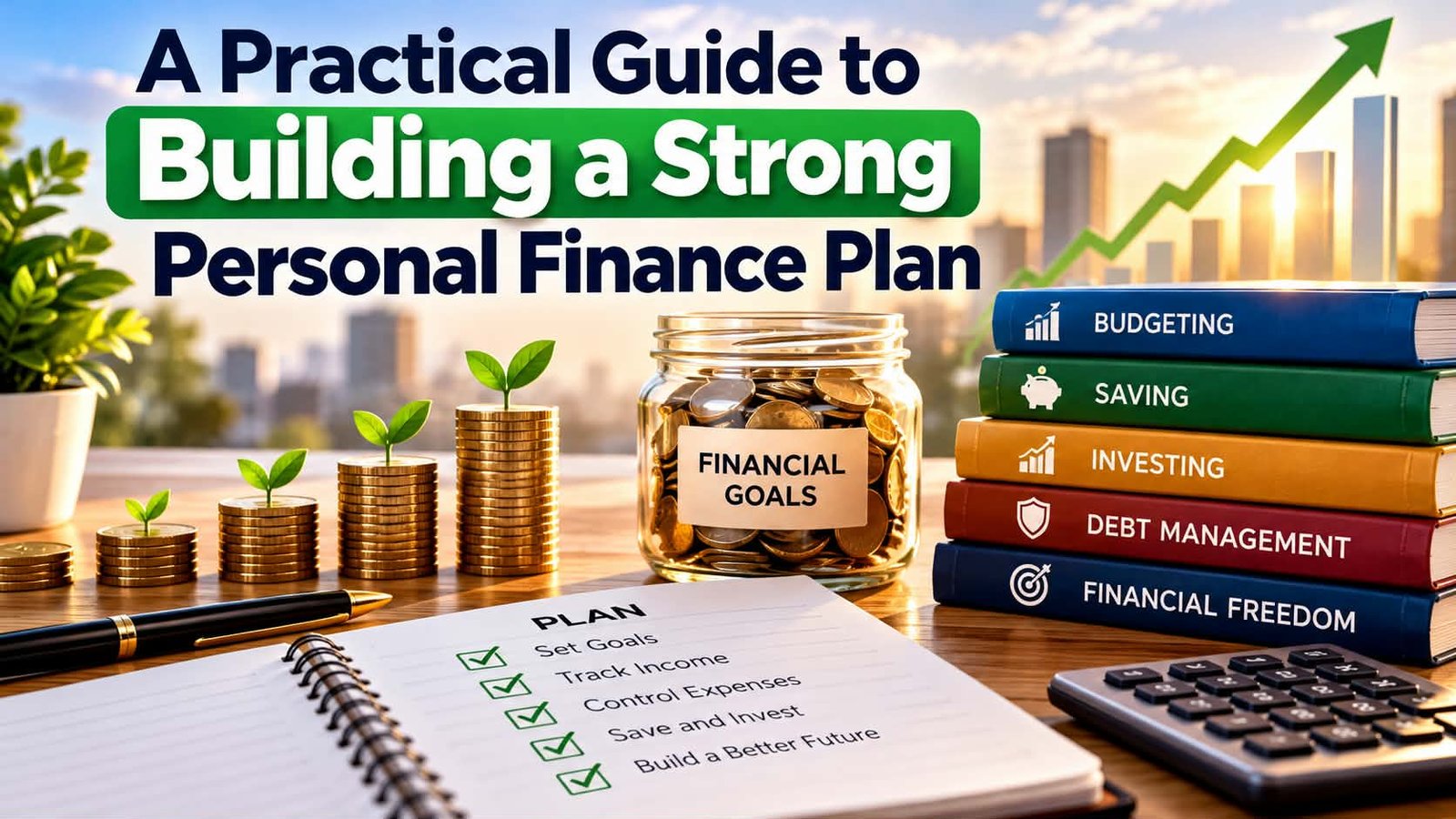
Managing money well is less about earning a perfect income and more about making thoughtful decisions consistently. A personal finance plan gives your money a clear purpose, helps you prepare for unexpected expenses, and supports goals that matter to you. It does not need to be complicated or restrictive. With a realistic budget, an emergency fund, responsible borrowing habits, and a simple investment approach, you can create a system that works with your current circumstances.
Start With a Clear Financial Snapshot
Before changing your habits, understand where you stand today. List your monthly income after taxes, regular bills, flexible spending, debts, savings, and financial obligations. Include expenses that do not arrive every month, such as insurance premiums, annual subscriptions, school costs, vehicle maintenance, or gifts. Dividing these costs by twelve can help you account for them in your monthly plan.
Reviewing your recent bank and card statements can reveal patterns that are easy to miss. Look for recurring charges, convenience purchases, and categories that regularly exceed expectations. The purpose is not to criticize yourself. Accurate information simply makes it easier to choose practical improvements.
Build a Budget You Can Maintain
A useful budget should reflect real life. Begin with essential costs, including housing, utilities, food, transportation, insurance, healthcare, and minimum debt payments. Then assign money to savings and personal priorities. Finally, create a reasonable allowance for entertainment, hobbies, dining out, and other flexible spending.
You can use a zero-based approach, where every unit of income receives a planned job, or a simpler percentage-based method. Neither method is universally best. The right budget is the one you can review regularly without feeling overwhelmed. If your expenses are higher than your income, address the gap promptly by reducing flexible costs, increasing income where possible, or seeking qualified advice about your obligations.
Keep the process simple. A spreadsheet, budgeting application, or separate account system may be enough. Schedule a short review each week and a more complete review at the end of each month. Adjust categories when your circumstances change instead of abandoning the plan after one unusual month.
Create an Emergency Fund
An emergency fund is cash reserved for unexpected needs, such as a medical bill, essential repair, temporary loss of income, or urgent travel. It can reduce the chance that a surprise expense becomes expensive credit-card debt. Start with a small target that feels achievable, then gradually work toward several months of essential living expenses.
Keep emergency money accessible and separate from daily spending. A savings account may be suitable, but compare account terms, fees, access rules, and interest rates before choosing one. Emergency savings are designed for stability, not maximum investment returns. Replenish the fund after using it, and review the target when your household, employment, or living costs change.
Manage Debt Deliberately
Make a complete list of debts, including balances, interest rates, minimum payments, due dates, and any relevant fees. Continue making at least the required payments on time. Late payments can create additional costs and may affect your credit history, depending on local reporting practices.
After covering essentials and minimum payments, choose a repayment method. The avalanche method directs extra money toward the highest-interest debt first, which can reduce interest over time. The snowball method focuses on the smallest balance first, which may provide quicker psychological wins. Both can work when followed consistently.
Be cautious with debt-consolidation offers, balance transfers, and refinancing. Compare the total cost, promotional period, fees, interest rate after the promotion, and repayment requirements. Avoid taking on new debt simply to make a balance appear more manageable. If your payments are becoming difficult, contact your lender early and consider guidance from a reputable, qualified financial counselor.
Protect Your Financial Foundation
Financial planning also includes protection. Review health, property, vehicle, disability, and life insurance needs based on your situation and local regulations. Insurance policies differ substantially, so read exclusions, deductibles, limits, waiting periods, and renewal terms carefully. Do not purchase coverage solely because of a persuasive advertisement.
Protect your accounts with strong, unique passwords and multi-factor authentication where available. Monitor statements and notifications for unfamiliar activity. Keep important documents organized, store backups securely, and be careful with unsolicited messages promising guaranteed profits, urgent refunds, or exclusive financial opportunities. Legitimate investments always involve some level of risk, and no honest provider can guarantee a specific return.
Set Specific Financial Goals
Goals turn a general intention into an actionable plan. Instead of saying that you want to save more, define the purpose, amount, deadline, and monthly contribution. Examples might include building an emergency reserve, replacing a vehicle, paying for education, preparing for a home purchase, or supporting long-term financial independence.
Separate short-term goals from long-term goals. Money needed soon generally belongs in a suitable savings product rather than a volatile investment. Longer-term money may have more time to handle market fluctuations, but the appropriate mix depends on your goals, timeline, risk tolerance, and personal circumstances.
Learn the Basics of Investing
Investing can help money grow over long periods, but it is not a guaranteed path to profit. Before investing, establish an emergency fund, understand your debts, and learn how fees and taxes may affect results. Research the product, provider, and risks instead of relying on social media claims or pressure to act quickly.
Diversification means spreading money across different investments rather than concentrating it in one company, industry, or asset. Asset allocation describes how money is divided among categories such as cash, bonds, and shares. A diversified approach can reduce the impact of a single poor performer, but it cannot eliminate losses. Review your plan periodically and avoid frequent decisions based on short-term market movements.
Check whether an investment professional or platform is properly authorized in your jurisdiction. Read official documents, understand the charges, and never invest money you cannot afford to lose. Tax treatment varies by location and account type, so consult an appropriately qualified professional for personal tax guidance.
Use Credit Carefully
Credit can be useful when managed responsibly, but it is not extra income. Understand interest rates, annual fees, payment dates, and rewards conditions before opening an account. Pay balances on time, and when possible, pay the full statement balance to reduce interest charges. Do not spend more to earn rewards than you would otherwise spend.
Check your credit reports where available and dispute inaccurate information through the appropriate official process. A strong credit history may help with future borrowing, but protecting your cash flow and avoiding unnecessary interest should remain more important than chasing a particular score.
Make Your Plan Flexible
Income, prices, family needs, and priorities change. Review your plan after a job change, move, marriage, separation, new child, major purchase, or significant health event. A flexible plan is not a failed plan. It is a system that adapts while preserving your most important goals.
Automating savings and bill payments can improve consistency, provided your account has enough money to prevent overdrafts or failed transactions. Increase savings gradually when your income rises, but leave room for meaningful spending. Sustainable progress usually comes from repeatable habits rather than extreme short-term restrictions.
A Simple Monthly Routine
At the start of each month, estimate income and planned expenses. During the month, track spending and keep an eye on account balances. At the end, compare your plan with reality, celebrate progress, and identify one adjustment for the next month. Revisit debt balances, savings goals, upcoming irregular expenses, and subscriptions that no longer provide value.
Personal finance is a practical skill, not a measure of personal worth. You do not need perfect decisions to make progress. By understanding your numbers, spending intentionally, preparing for surprises, using credit carefully, and learning before investing, you can build greater financial resilience over time. When a decision involves significant legal, tax, debt, or investment consequences, seek advice from a qualified professional who understands your circumstances and jurisdiction.