An emergency fund is one of the simplest ways to make your finances more resilient. It is money set aside for unexpected, necessary expenses, such as a temporary loss of income, urgent medical care, essential home repairs, or a vehicle problem that affects your ability to work. The purpose is not to earn extraordinary returns or become wealthy quickly. The purpose is to give you time and flexibility when life does not follow the plan.
Understand What an Emergency Fund Does
An emergency fund creates a financial buffer between an unexpected event and expensive borrowing. Without savings, a sudden bill may lead to credit card debt, overdraft fees, or a loan with terms that are difficult to manage. With a reserve, you can address the problem while deciding calmly how to adjust your budget.
This money is different from savings for planned goals. A vacation, new phone, holiday gifts, or a routine annual bill should normally have a separate budget. Keeping these purposes separate helps ensure that your emergency savings remain available for genuine needs.
Calculate Your Essential Monthly Costs
Start by identifying the expenses required to keep your household safe and functioning. Include housing, utilities, basic groceries, transportation, insurance, medication, childcare, minimum debt payments, and other obligations that cannot easily be paused. Review several months of bank statements so your estimate reflects real spending instead of memory.
Do not automatically include every expense in your current lifestyle. Streaming services, restaurant meals, entertainment, and optional shopping may be reduced during a difficult period. However, be realistic. A budget that excludes necessary costs will produce a reserve that is too small to provide meaningful protection.
Once you have the monthly total, use it as the foundation for your target. If essential costs are $2,500 per month, a three-month reserve would be $7,500. Your own currency and circumstances may differ, but the calculation process is the same.
Choose a Target That Matches Your Situation
Many households aim for three to six months of essential expenses. This is a useful starting point, not a universal rule. Someone with stable employment, strong benefits, and low fixed costs may begin with a smaller target. A freelancer, seasonal worker, single-income household, or person with several dependents may prefer a larger reserve.
Consider how quickly you could replace your income, how predictable your expenses are, and whether another household member can contribute financially. Also consider your health, industry, location, and access to family support. These factors can change the amount of cash that makes you feel adequately prepared.
If the full target seems impossible, create milestones. Your first goal might be $500 or the equivalent of one essential bill. The next goal could cover one month of expenses, followed by three months. A smaller reserve is generally more useful than waiting years to build a perfect one.
Review Your Cash Flow
Before setting a monthly contribution, compare dependable income with necessary spending. If the result is already negative, focus first on stabilizing the budget. Look for expenses that can be reduced, cancelled, renegotiated, or replaced. Contact providers before missing payments and ask about available options rather than waiting until a problem becomes urgent.
If your income varies, use a conservative estimate based on a lower typical month. Build your essential budget around that amount and treat unusually strong months carefully. You could direct a portion of extra income to emergency savings, but avoid committing to a contribution that depends on earnings you may not receive.
Automate the Saving Habit
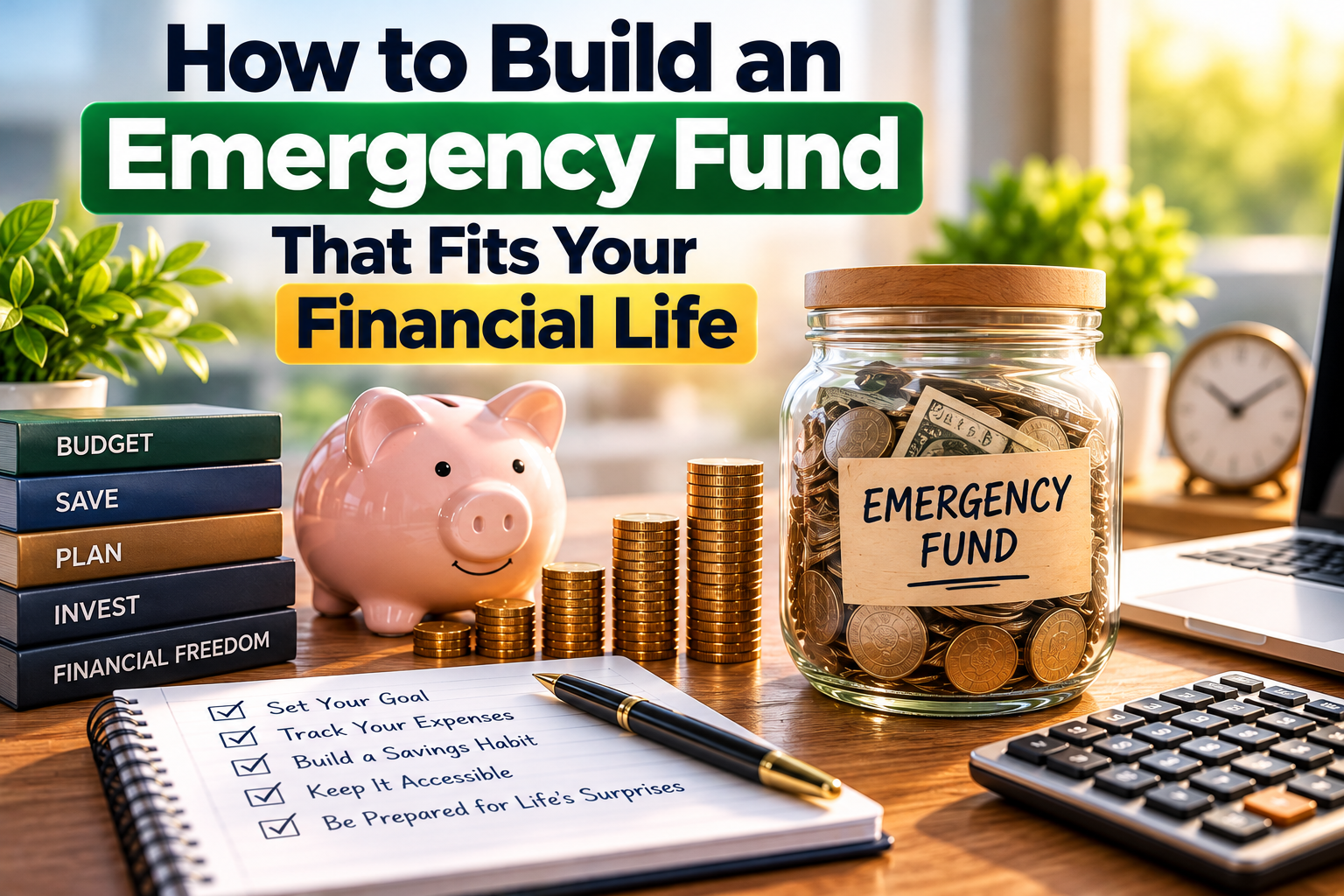
Consistency is usually more important than the size of the first deposit. Set up an automatic transfer for the day after your paycheck arrives or choose another date that matches your cash flow. Automation reduces the need to make the same decision repeatedly and helps turn saving into a normal part of your financial routine.
Start with an amount that will not cause you to miss essential bills. If you can save $50 per month, begin with $50. You can increase the transfer after paying off a debt, receiving a raise, or identifying a recurring expense that is no longer necessary. A sustainable system is better than an ambitious plan that must be abandoned.
For irregular income, consider saving a percentage of every payment. You may also direct part of a tax refund, bonus, gift, side-job payment, or sale of unused items to the fund. Keep enough available for current obligations before making additional deposits.
Select an Appropriate Place for the Money
Emergency savings should be safe, accessible, and separate from everyday spending. Depending on your country, a protected savings account or another low-risk cash option may be appropriate. Compare the institution, withdrawal access, fees, interest terms, and any applicable legal protections before choosing an account.
The emergency fund is not designed for aggressive investment growth. Investments that can lose substantial value or take a long time to sell may be unsuitable for money needed during a crisis. A slightly lower return may be reasonable when it provides stability and quick access.
Keep the account separate enough to discourage casual spending, but not so inaccessible that you cannot use it promptly. Turn on account alerts and use strong security practices to protect the balance.
Set Clear Rules for Withdrawals
Decide in advance what qualifies as an emergency. A necessary medical expense, urgent repair, or period without income may qualify. A sale, a planned purchase, or an upgrade that could wait usually does not. Written rules can make decisions easier when emotions are high.
Before withdrawing money, ask whether the expense is unexpected, necessary, and urgent. Check whether it can be delayed, reduced, or paid through another existing budget. Do not reject every withdrawal out of fear of making the wrong choice. The fund exists to protect you, so using it for a genuine emergency is a successful outcome, not a failure.
Rebuild the Fund After Using It
After an emergency, calculate the amount withdrawn and create a replacement plan. You might temporarily reduce optional spending, redirect a completed debt payment, or use additional income to restore the balance. Rebuilding can take time, especially if the emergency involved a loss of income, so avoid creating a new problem by trying to replace everything immediately.
If you used the fund for a predictable expense, learn from the experience. Annual insurance, school costs, holiday spending, and routine maintenance are better managed with separate sinking funds. A sinking fund is money saved gradually for a known future expense. Separating planned costs from emergencies keeps your main reserve available for surprises.
Protect the Reserve With Other Measures
Cash savings are only one part of financial resilience. Review insurance that is relevant to your household, including health, property, vehicle, disability, or life coverage. Understand limits, exclusions, deductibles, and renewal terms. The right protection depends on your circumstances and local regulations, so consider qualified advice for complicated decisions.
Keep important financial documents organized and maintain secure access to your accounts. Use unique passwords and multi-factor authentication. Be cautious of messages requesting urgent transfers or account details. Scammers often target people during stressful events, so verify unexpected requests through a trusted channel.
Review the Target Over Time
Your emergency fund should change when your life changes. Recalculate the target after moving, changing jobs, welcoming a child, taking on a large payment, or experiencing a significant income change. If essential expenses rise, your reserve may need to rise as well.
Schedule a short review every six or twelve months. Check the balance, confirm that the account remains suitable, and update the automatic contribution. Review whether your income is more or less stable than before. A regular review prevents the plan from becoming outdated.
Avoid Common Mistakes
One common mistake is waiting until every debt is paid before saving anything. High-interest debt deserves attention, but a small cash buffer can prevent a minor problem from becoming new debt. Another mistake is keeping emergency savings in a place that is too easy to spend. A separate account can create a useful boundary.
It is also risky to follow someone else’s exact target without considering your household. Personal finance advice should be adapted to income, responsibilities, and local costs. Avoid promises of guaranteed returns, fast wealth, or financial products you do not understand. Reliable planning is usually gradual and based on clear information.
Conclusion
Building an emergency fund is a practical process that starts with understanding essential expenses and choosing a realistic first milestone. Save consistently, automate contributions when possible, keep the money safe and accessible, and establish clear rules for using it. After a withdrawal, rebuild the balance and separate predictable expenses into their own savings categories.
You do not need a perfect income or a large initial deposit to begin. What matters is creating a habit that fits your financial life and reviewing it as your circumstances change. An emergency fund cannot prevent unexpected events, but it can reduce their financial impact and give you more control when you need it most.